



INNOVATION DAYS 2026: A SPECTACULAR RETURN AFTER 12 YEARS
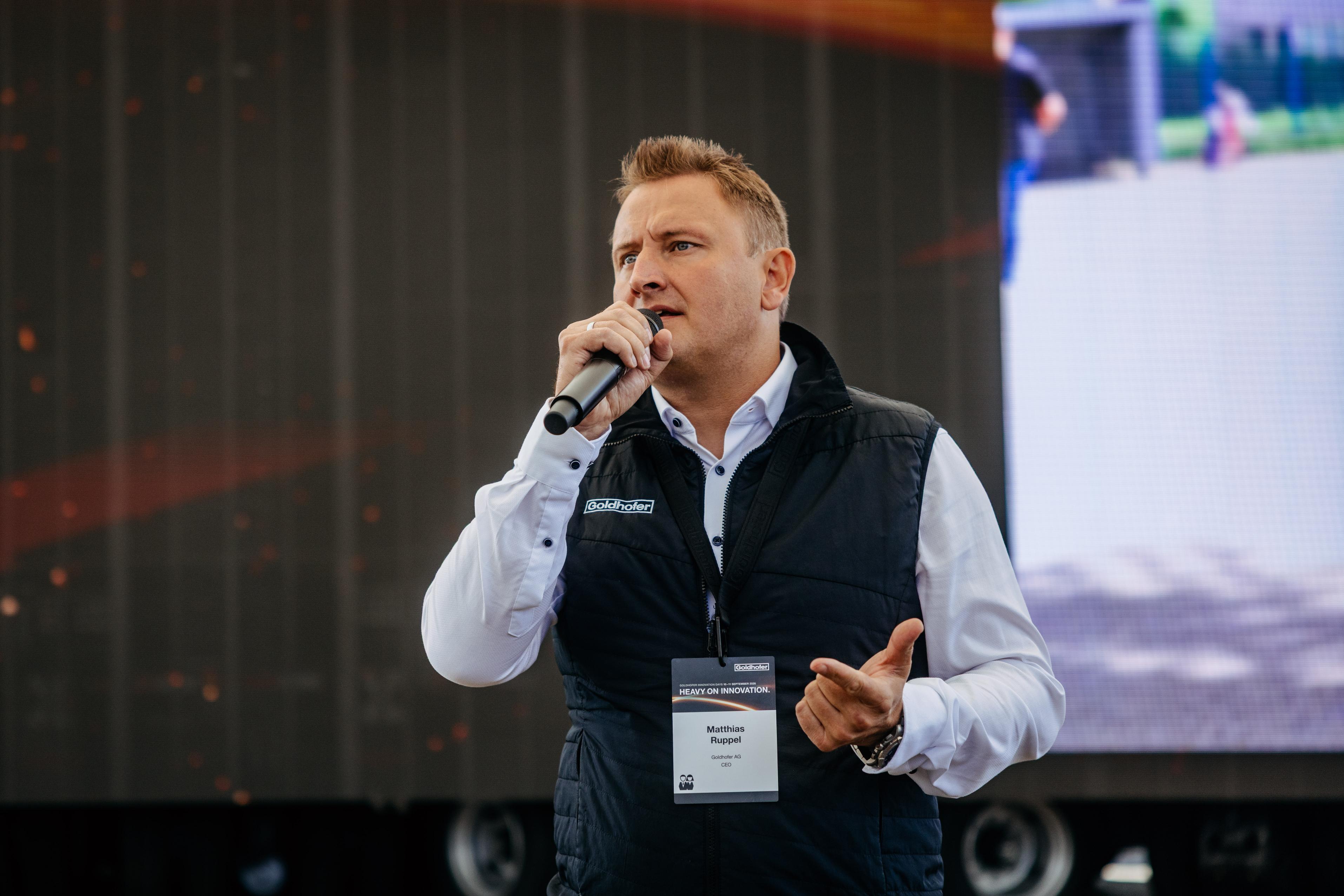
"A commitment to innovation and a relentless focus on our customers remain at the heart of Goldhofer’s DNA."
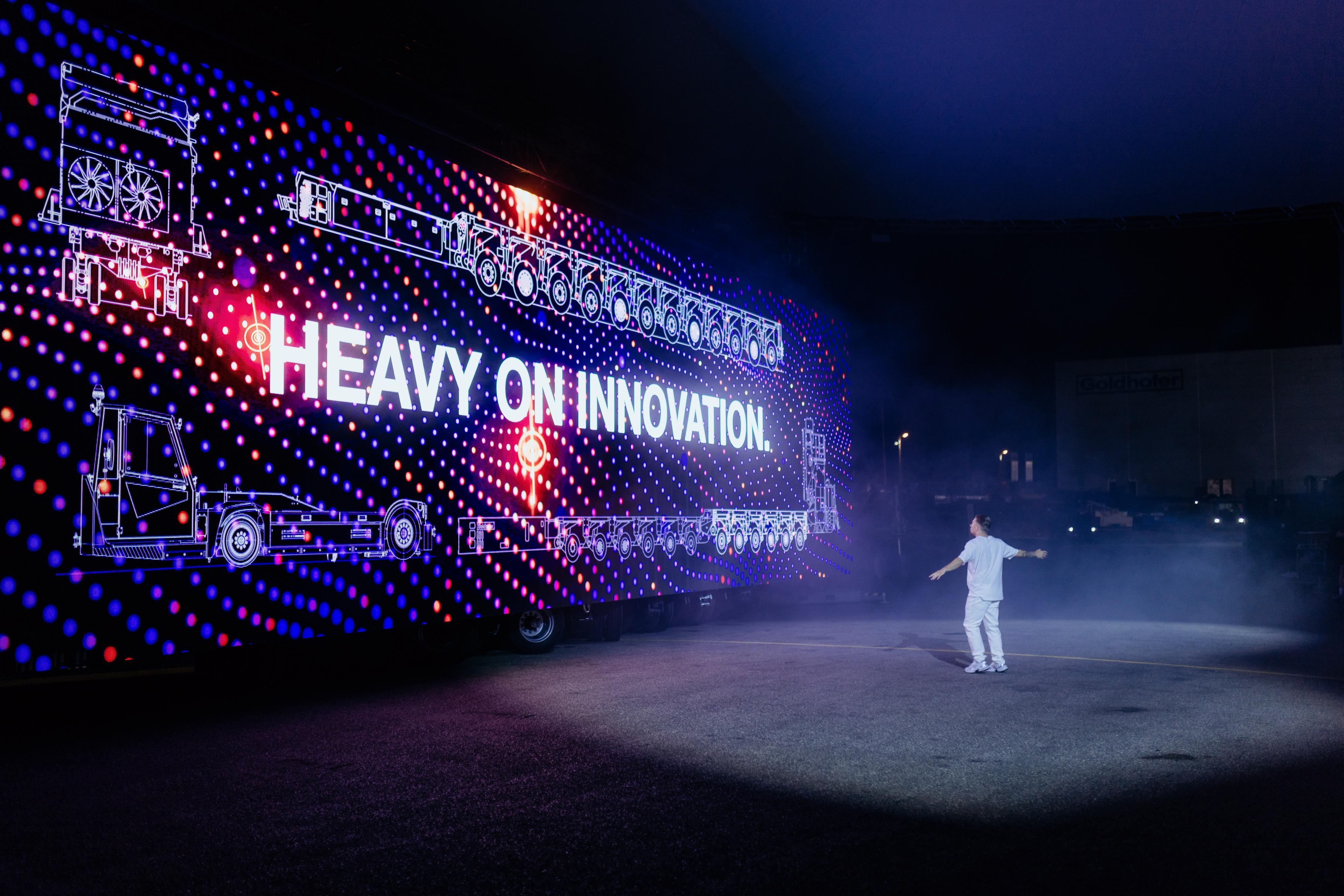
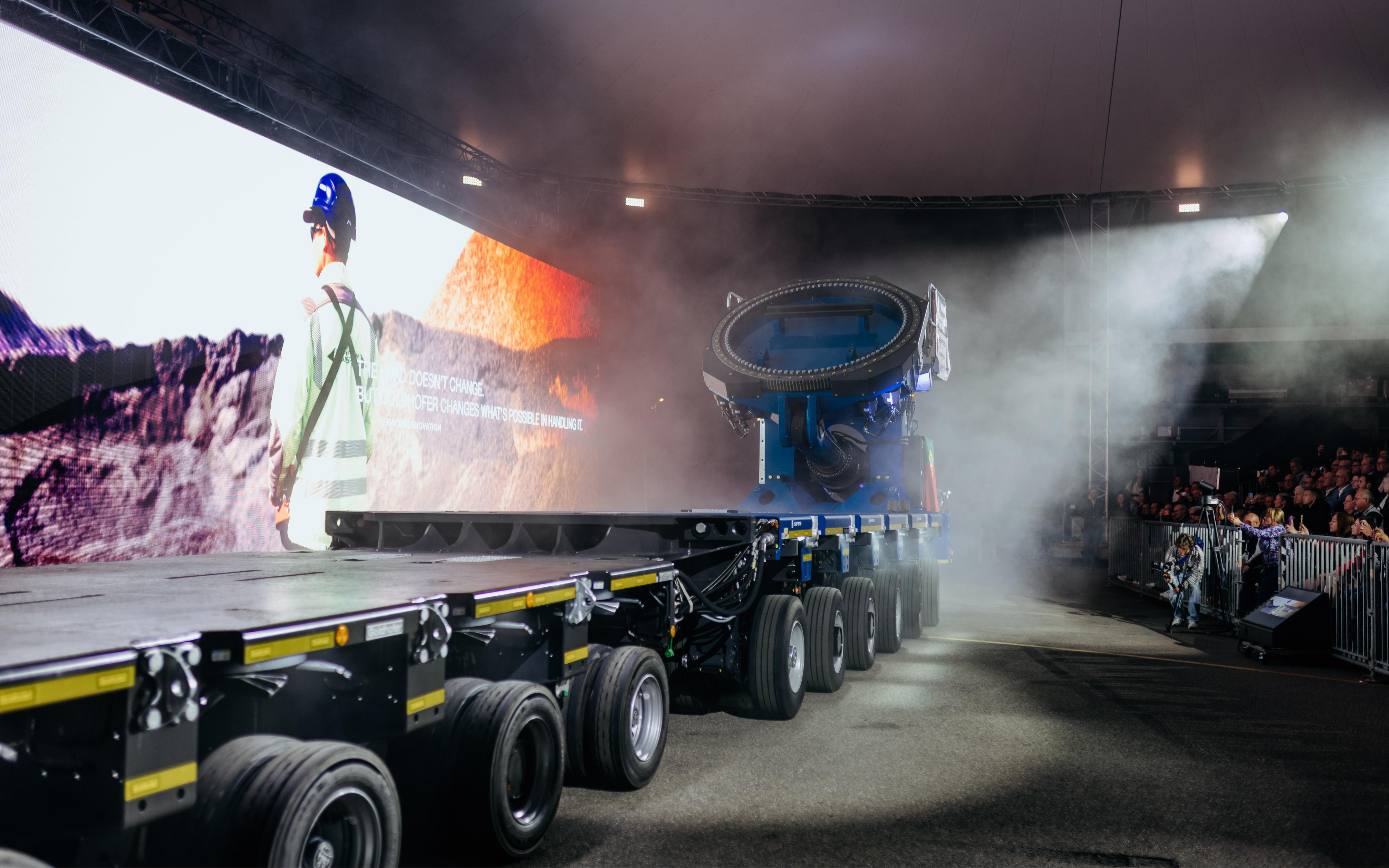
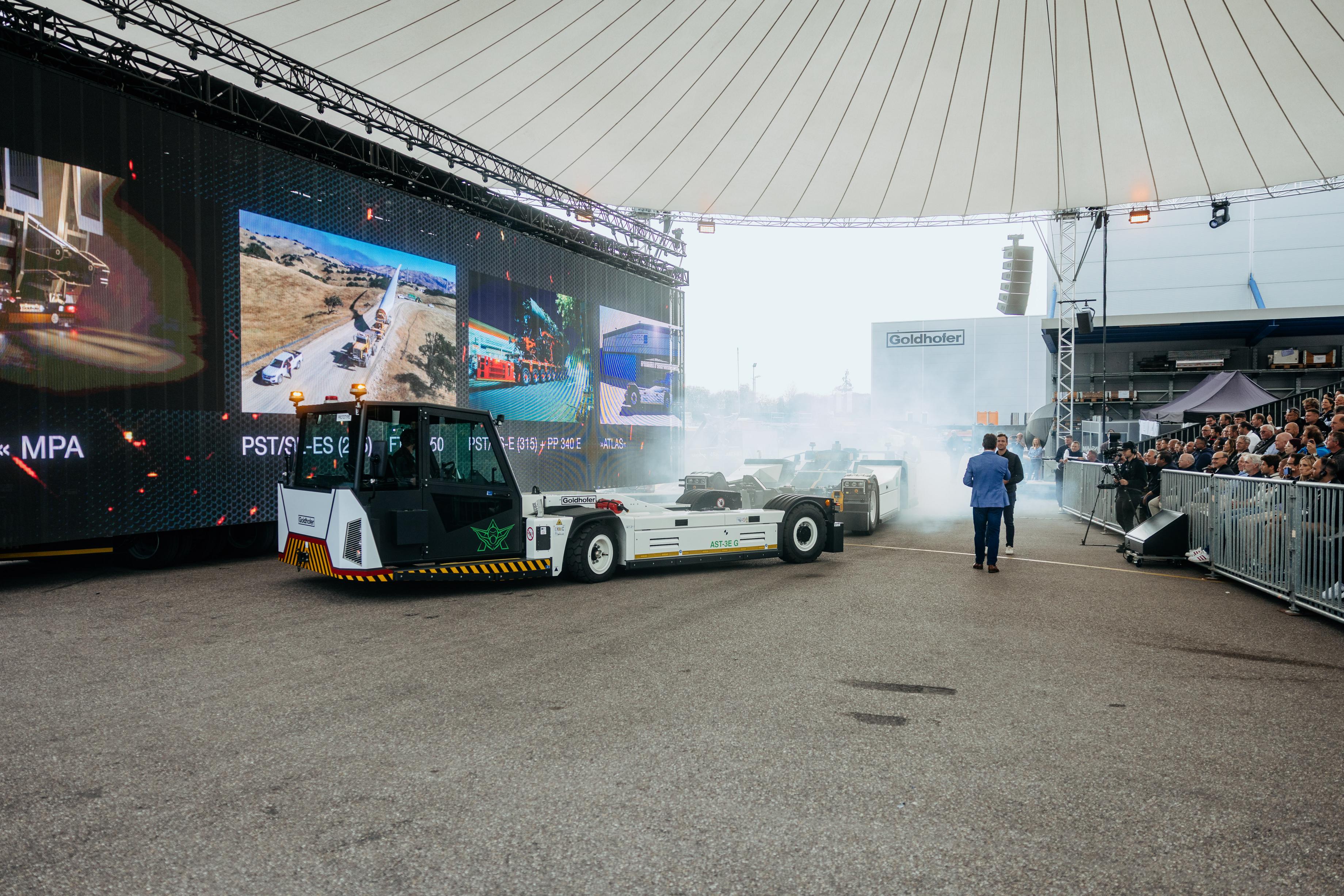
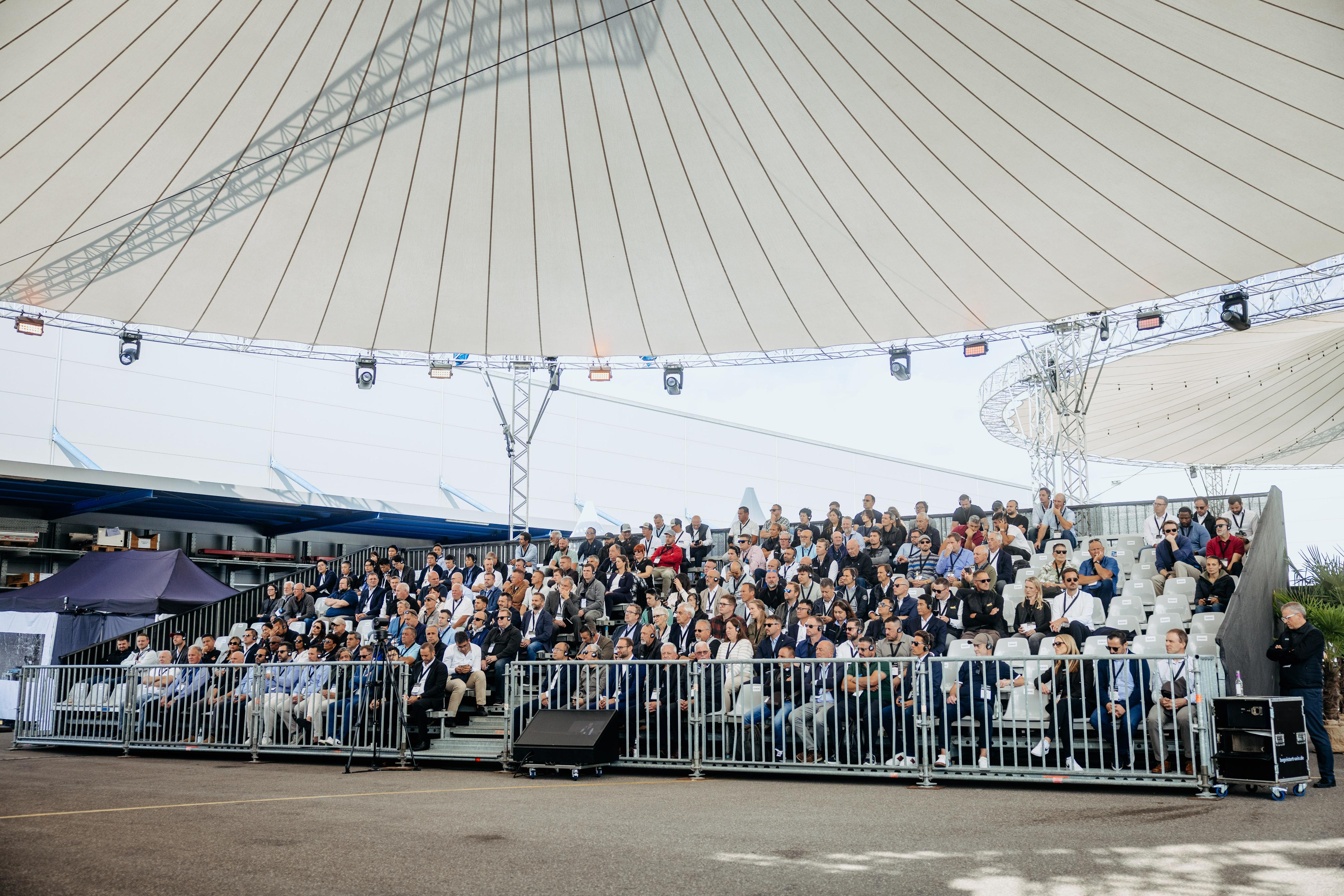
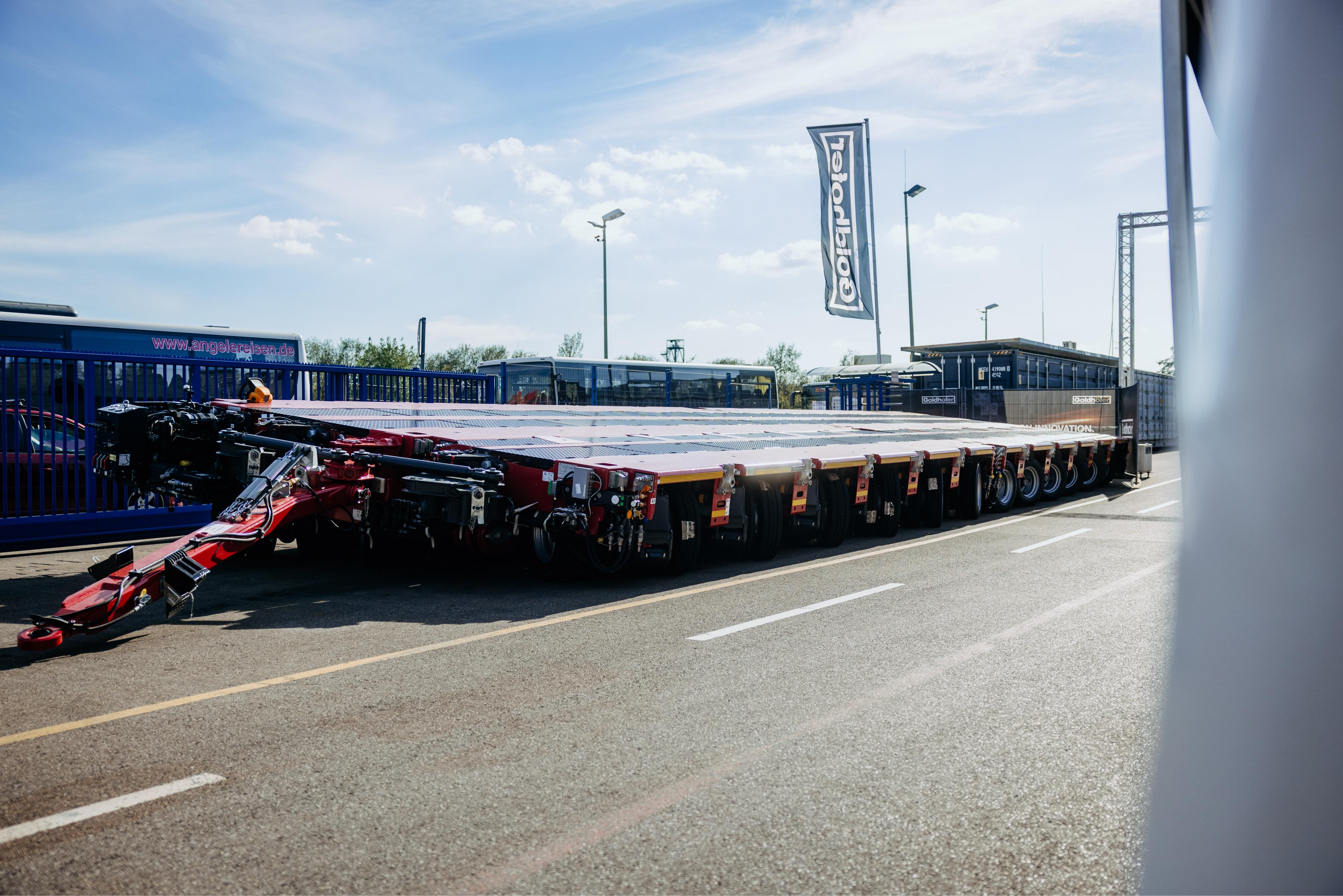
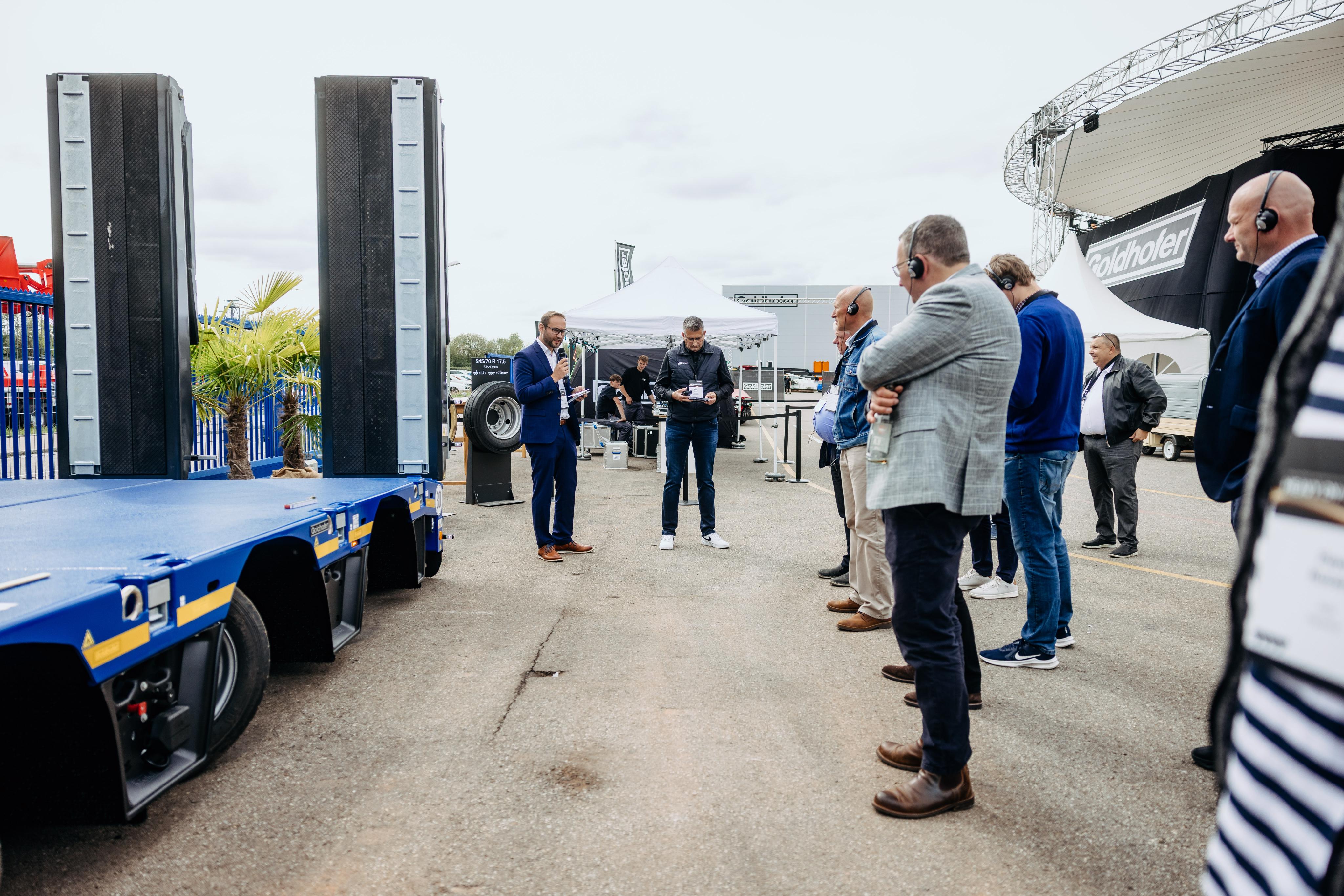
On September 10 and 11, 2026, the global heavy transport community gathered in Memmingen. Twelve years after hosting its last Innovation Days, Goldhofer once again welcomed customers from around the world to its headquarters. Many of them had attended the event back in 2014. They knew what to expect: groundbreaking products, technical expertise, and meaningful discussions with the people shaping the future of the industry. More than 600 customers accepted Goldhofer’s invitation to experience firsthand why the Bavarian manufacturer continues to be recognized as a leader in innovation. Across two days and as part of an extensive program, visitors gained exclusive insight into the latest developments from both Goldhofer Transport Technology and Airport Technology.
Some of the innovations presented address challenges that operators face today. Others offer a glimpse into the technologies that will shape heavy transport and airport ground operations in the years ahead.
Among the highlights were the new PST/SL-ES (285), the world premiere of the »ATLAS« 3, the expansion of the »ATLAS« family, the E-PowerPack, the economically optimized PST/ES-E (315), the new »STEPSTAR« MPA, the »FT SERIES«, and a new THP/SL with a 45-ton axle load manufactured in India for the Asian market. The program was further enhanced by the Innovation Lab, where Goldhofer gave customers their first look at a wide range of development projects and concept studies that point to the future of the industry.
PST/SL-ES (285): The strongest Heavy-Duty Module on the market
Visitors to the Innovation Days saw plenty of impressive hardware, including larger vehicles, new systems, live demonstrations, and world premieres.
Yet one of the most significant innovations came from a transport module that, at first glance, appeared surprisingly understated. Today, the real challenge in heavy transport is often no longer the weight of the cargo itself. Increasingly, project success depends on balancing high centers of gravity with lateral stability, route approval requirements, and maneuverability. This is exactly where the new PST/SL-ES (285) sets a new benchmark.
Its key innovation is the ability to vary its track width under load. Operators can now adapt the vehicle configuration to match changing conditions during a transport operation, switching between maximum lateral stability and exceptional maneuverability whenever required.
Even at its standard width of 3,000 mm, the module delivers lateral stability exceeding that of a traditional 1+½ combination. At the push of a button, the track width can be increased, allowing the PST/SL-ES (285) to achieve a level of lateral stability comparable to a 5.3-meter-wide 1+1 parallel combination using 2,430 mm heavy-duty modules, while requiring an overall transport width of just 3.3 meters.
In practical terms, this means operators no longer must commit to a specific compromise before a project begins. The vehicle can remain narrow when negotiating tight roads, confined work sites or urban areas, then be widened when additional stability is required. A decision that once had to be made during transport planning can now be made during transport execution: Narrow when space is limited. Stable when physics demands it.
The innovation goes even further: Thanks to its exceptionally high bending moment capacity, the PST/SL-ES (285) can transport loads in a single-width configuration that previously required parallel combinations purely for structural reasons. Combined with an axle load of 48.4 tonnes and a tractive force of 162 kN, the result is a heavy-duty module unlike anything currently available on the market.
Robert Steinhauser, Vice President Sales Transport Technology, describes the significance of the development: “The PST/SL-ES (285) is the strongest heavy-duty module ever developed. It sets an entirely new benchmark for what is possible in heavy transport.”
Its economic impact is equally impressive. The innovative design allows operators to complete transport in a single-width configuration, improving maneuverability, and reducing the need for infrastructure modifications. Route planning becomes simpler. Higher bending moment capacity enables the transportation of even heavier and more compact loads. Whenever interventions in roads, curve sections or sensitive environments can be avoided, projects become faster, more efficient, and ultimately more economical.
Jan Sarens, Director Technical Solutions, Projects & Engineering at Sarens NV, sees the value well beyond a single technical feature:
“The PST/SL-ES did not convince us because of one individual specification. What mattered was the overall economic impact. The ability to switch between stability and maneuverability depending on the situation creates entirely new possibilities for transport planning. We require fewer axle lines and can execute projects more efficiently.”
That message resonated throughout the Innovation Days: the PST/SL-ES (285) is more than a technical innovation. It has the potential to fundamentally improve the economics of heavy transport projects. The combination showcased during the event together with the latest generation of Goldhofer’s blade transport device, the FTV 1150, served as a practical demonstration of this principle. Modern wind turbine blades already generate load moments of more than 1,000 mt. The resulting forces place enormous demands on transport equipment and traditionally require wider or longer vehicle combinations, significantly limiting maneuverability. By combining the FTV 1150 with the PST/SL-ES (285), operators can reduce ballast requirements, use fewer axle lines and achieve Shorter overall configurations. The result is greater route flexibility, faster project execution, and a clear economic advantage.
Airport Technology: Why »ATLAS« and »PHOENIX« are the perfect complement
Within Airport Technology, Goldhofer presented one of the most compelling stories of the entire event. The focus was not on introducing individual vehicles; instead, it centered around a challenge currently facing airports, airlines and ground handlers around the world:
How can aircraft movements on the ground be managed in a way that makes operations safer, faster, simpler and more cost-efficient? Goldhofer’s answer was deliberately nuanced.
Not every operation requires the same vehicle. And not every fleet becomes more efficient simply by choosing the highest-performance solution available.
Modern airports are defined by complexity. Gate pushbacks, inter-gate movements, maintenance towing, cargo operations, varying aircraft types, tight turnaround schedules and increasing pressure from labor shortages, sustainability targets and cost constraints all place different demands on equipment and personnel. This reality formed the foundation of Goldhofer’s »ATLAS« Family presentation. The central question was not, “Which vehicle is the most powerful?” It was, “Which fleet configuration best supports the way an airport operates?”
The »PHOENIX« is designed for demanding towing applications, longer distances and maintenance transfers, where maximum performance and continuous multi-shift operation are essential.
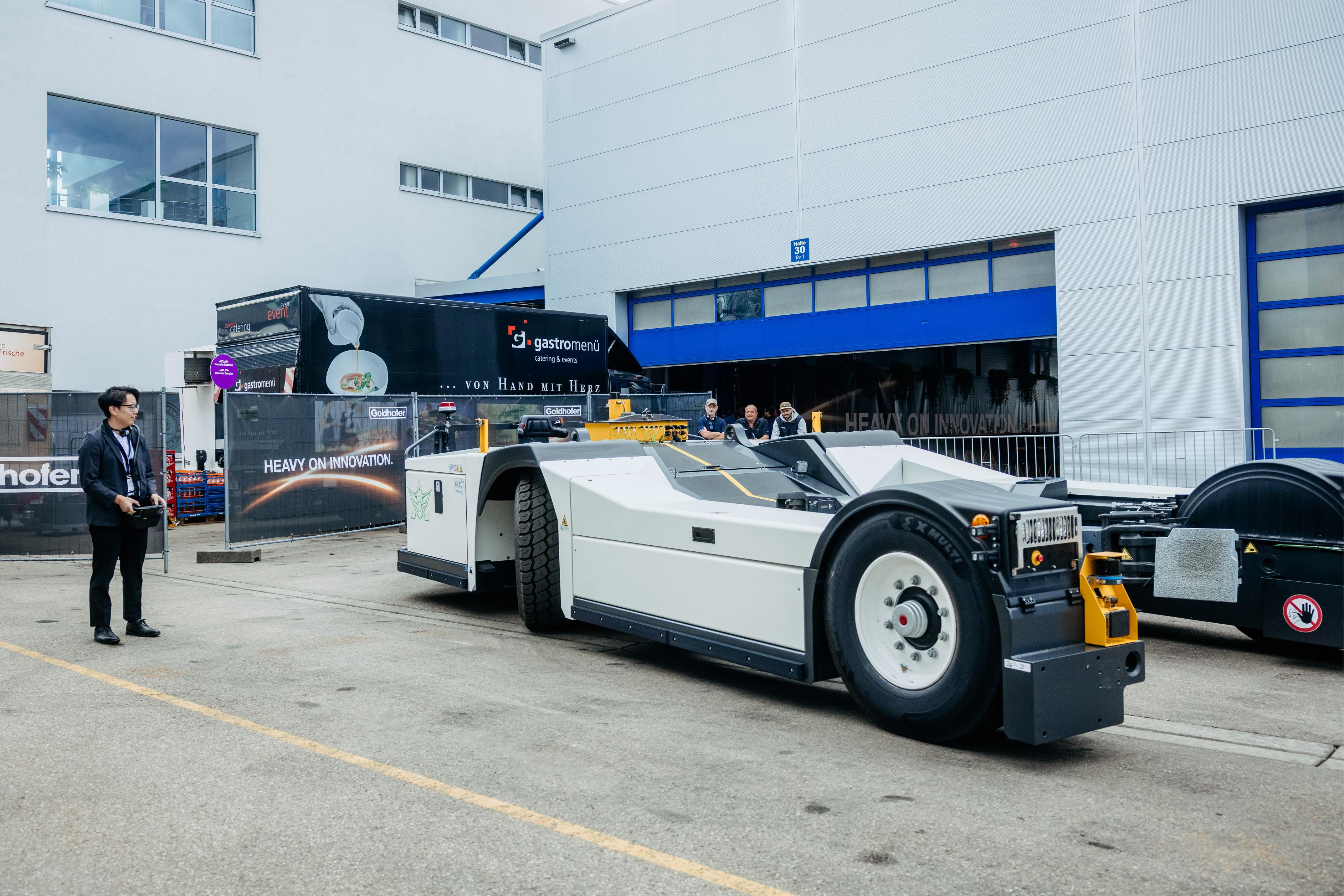
The »ATLAS« family, on the other hand, delivers its greatest value in the daily rhythm of airport operations. It is designed for high-frequency gate environments where safety, repeatability and operational efficiency matter most. Its focus is clear: simplifying processes, reducing complexity and improving operational consistency. This became particularly evident during the live demonstration of the remotely operated »ATLAS« 2. Rather than presenting a distant vision of automation, Goldhofer demonstrated a practical and immediately relevant technology that can help airports gradually move towards increasingly assisted and automated operations. It is a tangible example of what the company refers to as being “Future Ready”.
During the demonstration, the »ATLAS« 2 Remote performed a semi-automated NLG pick-up process, showcasing how one of the most critical steps at the gate can become safer, more consistent and easier to execute. The advantages are immediately apparent: fewer errors, reduced risk, and faster turnaround processes.
In an environment where experienced personnel are becoming increasingly difficult to recruit, and operational pressure continues to grow, simplicity itself becomes a significant contributor to both safety and productivity.
Joe Miller, Senior Vice President – Operations & Customer Center at Delta Air Lines, shared a perspective that resonated with many attendees:
“What convinced us about »ATLAS« was not a single feature. It was the philosophy behind it. Goldhofer did not ask, ‘What is the most powerful vehicle we can build?’ The more important question was, ‘What does an airport really need at the gate?’ That thinking is reflected throughout the entire concept. »ATLAS« makes operations simpler, more predictable and more efficient. And that is exactly what matters in day-to-day operations.”
With the world premiere of the »ATLAS« 3, Goldhofer took the next step in the development of its airport portfolio. The new vehicle focuses on the rapidly growing narrowbody segment, which continues to gain importance for airports and airlines worldwide. Compact in design, purpose-built for its intended application and equipped with a newly developed NLG pick-up device, the »ATLAS« 3 addresses the operational realities of modern gate handling. However, the Innovation Days presentation made one point particularly clear.
Large international hubs, regional airports, diverse aircraft fleets, different towing distances, and varying operational challenges do not require the same solution. They require a fleet strategy that matches the realities of each operation. This is where »PHOENIX«, »ATLAS« 2 and »ATLAS« 3 come together as a complementary system. The »PHOENIX« remains the solution for high-performance towing and longer operating ranges. The »ATLAS« 2 provides maximum flexibility for efficient gate operations across a broad range of aircraft types. The »ATLAS« 3 offers a highly focused solution specifically tailored to the vast narrowbody market segment that continues to drive global air traffic growth.
Stavros Hatziioannou, Vice President Sales Airport Technology, summarized the philosophy behind the portfolio: “Today, our customers are no longer asking only which vehicle can move a particular aircraft. The far more important question is: Which fleet structure makes my operation more stable, simpler and more economical? That is exactly where we focus our efforts. The »PHOENIX« remains the right solution for high-performance towing and larger operating ranges, while »ATLAS« excels wherever gate processes need to become more efficient, safer and more predictable.” David Weinmann, CEO of Goldhofer Inc., sees this trend particularly clearly in North America: “Across North America, we see airlines and ground handlers continuously re-evaluating their gate operations. The focus is on reducing complexity, shortening training cycles, increasing process reliability and improving fleet utilization. Our approach to the right fleet mix enables us to address exactly those challenges and support customers where they need us most.”
Ultimately, the Airport Technology showcase delivered a clear message. The future of aircraft handling is not defined by a single vehicle. It is defined by choosing the right vehicle for the right task and building a fleet structure that improves safety, efficiency and operational resilience across the entire airport environment.
E‑PowerPack: Perhaps the most familiar innovation of the Innovation Days
When the industry talks about the future of heavy transport, the conversation often revolves around long-term visions and concepts that may still be years away from practical application. Goldhofer chose a different approach. The EPowerPack was unveiled to the public for the first time at BAUMA 2025. From the outset, its development followed a clear philosophy: electrification should not be pursued for its own sake. Instead, it should deliver tangible benefits wherever it can solve real-world challenges. The EPowerPack was never intended to replace diesel-powered solutions across all applications. It was developed to address situations where operators are already facing increasingly stringent requirements today. Urban environments, industrial facilities, sensitive infrastructure projects and areas with strict environmental regulations all place new demands on heavy transport operations. In these environments, factors such as noise emissions, local emissions, and public acceptance are becoming increasingly important. What makes the EPowerPack remarkable is not simply that it is electric. Its significance lies in the fact that, for many operators, it no longer represents a compromise. With approximately 260 kW (340 hp) of electric power, active thermal management, full integration into Goldhofer’s »LINK« telematics system and an architecture that incorporates proven expertise from Goldhofer’s electric Airport Technology products, the EPowerPack delivers everything users expect from a professional heavy transport solution.
Most importantly, it has already proven itself under real operating conditions. One particularly compelling example was the BEHALA transport project in Berlin at the end of July, which marked the European mainland premiere of the E‑PowerPack in practical operation. During the Innovation Days, attendees were joined remotely by Leon Tietz, Head of Logistics at BEHALA, who shared first-hand experience from the project:
“When transporting a 430-ton gas turbine through a living city, you carry responsibility, not only for the cargo itself but also for the people who live and work along the route. That is exactly why the E‑PowerPack convinced us. It allowed us to carry out the transport with significantly lower noise levels and zero local emissions, without compromising performance or operational reliability. Especially in cities like Berlin, factors such as noise, emissions and public acceptance will become increasingly important in the future.”
Urban transport projects clearly demonstrate why electrification in heavy transport is no longer a theoretical discussion about the future. The cargo remains the same. The challenges surrounding the transport are changing: Cities expect lower emissions. Communities demand lower noise levels. Operators increasingly need to perform transport operations in environments where conventional solutions face growing restrictions. This is precisely where the E‑PowerPack creates new opportunities. While many discussions about the future of heavy transport focus on technologies that may become available years from now, Goldhofer showcased a solution that is already enabling real projects today. That distinction is important.
The E‑PowerPack is far more than another alternative drive concept. It is a practical tool that makes electrified heavy transport operationally viable and economically attractive for a growing range of applications. In doing so, Goldhofer demonstrated that the path toward more sustainable heavy transport does not necessarily begin with radical change. Sometimes, meaningful innovation starts by solving the right problem at exactly the right time.
Innovation Lab: Perhaps the most fascinating part of the event had no vehicles at all
Amid world premieres, live demonstrations and product showcases, there was one area that generated an unusual amount of discussion throughout the Innovation Days. Not because it featured the largest machines. But because it made something visible that is often difficult to see: how innovation actually happens at Goldhofer.
The Innovation Lab was intentionally designed as much more than a conventional exhibition space. Visitors did not simply walk past products. Instead, they embarked on a journey through different stages of innovation, from early concepts and development projects to technologies already finding their way into real-world applications. The objective was clear: to make innovation itself tangible.
Rather than presenting only finished products, Goldhofer opened a window into the process behind them. Customers gained insight into how ideas evolve, how challenges are identified and overcome, and how future solutions take shape long before they reach the market.
Among the exhibits were digital twin concepts, next-generation platform architectures, data-driven solutions, simulation technologies and new approaches to vehicle and system connectivity. Some developments were already approaching market readiness. Others remained at a much earlier stage of development. And that was precisely what made the experience so engaging.
Visitors were able to follow the innovation process in real time and gain a deeper understanding of the work that takes place between the initial idea and a market-ready solution. They could see how engineering decisions are made, how technologies are evaluated and why some concepts require years of development before they eventually become part of a product portfolio. For many guests, the Innovation Lab ultimately answered a much broader question than any individual product presentation could address: How does a company ensure that it will continue to develop relevant solutions ten years from now? Goldhofer’s answer was remarkably transparent.
Innovation does not happen through isolated breakthroughs alone. It is the result of continuous development, systematic experimentation, and a willingness to challenge established assumptions again and again. That philosophy was visible throughout the entire Innovation Lab. Rather than presenting innovation as a finished achievement, Goldhofer presented it as an ongoing process. A process shaped by curiosity, technicalexpertise,e, and close collaboration with customers who face new challenges every day. In many ways, the Innovation Lab became a reflection of the company itself. Not because it showcased the newest vehicles. But because it demonstrated the mindset behind them. It revealed how Goldhofer transforms ideas into solutions, how customer feedback influences development, and how the company continues to prepare for challenges that may not yet fully exist today, but will define the industries of tomorrow. For many visitors, that insight proved to be every bit as compelling as the product premieres taking place elsewhere on the site. Because while vehicles may represent the outcome of innovation, the Innovation Lab revealed its source.
»FT SERIES«, »STEPSTAR« MPA and Indian-Built THP/SL: The Power of Continuous Evolution
Alongside headline innovations such as the PST/SL-ES (285), the »ATLAS« family and the E‑PowerPack, the Innovation Days also highlighted something equally important: Goldhofer’s commitment to continuously refining and expanding its established product portfolio. The »FT SERIES« is already a well-established name in the market. Designed from the outset as a highly adaptable modular platform, it continues to evolve to meet increasingly diverse transport requirements. At the Innovation Days, Goldhofer presented the latest additions to the platform, including new specialized vehicle configurations with excavator boom recesses for the largest construction machines, flexible single-axle units that provide an even greater degree of adaptability, and the new split axle configurations. What makes the »FT SERIES« unique is not a single technical feature, but the breadth of possibilities it offers. With multiple options for frame width, bending moment capacity, axle count, tire configurations and accessories, the system can be tailored with extraordinary precision to individual transport requirements. The guiding principle behind the concept is remarkably simple: The customer should not have to adapt their application to the vehicle. The vehicle should adapt to the customer’s application. That philosophy continues to drive the expansion of the »FT SERIES« and illustrates how Goldhofer approaches product development across its entire portfolio.
The new »STEPSTAR« MPA also attracted considerable attention during the event. As an extension of the existing self-tracking and forced-steering variants, the new model introduces independent wheel suspension, adding a new level of flexibility to the well-established low-loader platform. The interest it generated was not driven by headline performance figures alone. Instead, visitors focused on a combination of attributes that can substantially influence day-to-day transport operations. These include an extremely low ride height of just 790 mm, made possible by Goldhofer’s proprietary »CargoPlus« tires, axle loads of up to 12 tonnes and exceptional maneuverability through a steering angle of up to ±60 degrees. Combined with the weight and payload optimization already familiar from the »STARLINE« family, these characteristics create significant practical advantages, particularly when transporting tall or oversized cargo. In everyday transport operations, benefits such as reduced overall transport height, improved route flexibility and simplified permitting can have a direct impact on project feasibility and operating costs. The new »STEPSTAR« MPA demonstrates how carefully targeted engineering improvements can translate into meaningful operational advantages for customers.
Another important signal came from the presentation of a new THP/SL with a 45-ton axle load manufactured in India. The significance of this development extends far beyond a single vehicle. By expanding its manufacturing capabilities in India, Goldhofer is strengthening its ability to serve customers across Asia while maintaining the quality, technology standards and reliability associated with the Goldhofer brand worldwide. Benjamin Maushart, CEO of Goldhofer India, explained the strategic thinking behind the initiative: “Customers across Asia often operate under infrastructure and economic conditions that differ significantly from those in Europe or North America. Our goal is to develop solutions that are specifically tailored to these local requirements while maintaining the same commitment to quality, reliability and safety that customers expect from Goldhofer around the world.”
The introduction of the Indian-built THP/SL highlighted an important aspect of innovation that extends beyond engineering alone. Innovation is not only about developing new products. It is also about understanding regional markets more deeply, recognizing different operational realities and adapting solutions to real customer needs. Taken together, the latest enhancements to the »FT SERIES«, the new »STEPSTAR« MPA and the expansion of THP/SL production in India demonstrated that innovation at Goldhofer is not limited to major world premieres. It is equally reflected in the continuous refinement of proven products, the expansion of modular platforms and the ability to deliver solutions that are closely aligned with the realities customers face in markets around the world.
Twelve years of anticipation. Two extraordinary days.
For Goldhofer, the objective was never simply to host another customer event. The ambition was to create genuine value, bring people together and provide customers with meaningful insights into the technologies shaping the future of their industries. “The most important goal for us was never to organize an event for its own sake,” said Matthias Ruppel, CEO of Goldhofer AG. “We wanted to create real value for our customers. The countless conversations across the site, the discussions around our products and the enthusiasm surrounding new ideas have shown that we achieved exactly that. Innovation does not happen behind closed doors. It happens when people come together to solve challenges collaboratively. That is what the Innovation Days stand for. A commitment to innovation and a relentless focus on our customers remain at the heart of Goldhofer’s DNA.” As the event drew to a close, one impression stood above all others. Not because of a single product launch. Not even because of the remarkable number of world premieres. But because of the atmosphere that surrounded the entire event.
Many attendees had experienced the last Innovation Days in 2014. Others had spent years asking whether the event would ever return. Expectations were high. Yet throughout the two days, the focus consistently extended beyond the products themselves. Conversations emerged everywhere: Around vehicles. Inside workshops. Throughout the Innovation Lab. Between customers, engineers, sales specialists and service experts.
What stood out was how naturally technical discussions, knowledge sharing and professional networking came together. They did not feel like scheduled agenda items. They became the very essence of the event. A particular highlight was the large-scale afternoon show, which brought together the innovations, technologies and ideas presented throughout the day into one overarching narrative. It was not a story about vehicles alone. It was a story about people. About ideas. About challenges. And about the determination to continuously find better ways of overcoming them.
As daylight faded, the event transitioned seamlessly into the evening program. Conversations continued long after the demonstrations had ended. Relationships were strengthened, experiences exchanged and new connections established.
And, of course, there was reason to celebrate. The Innovation Days culminated in evening events that matched the scale and energy of the occasion, bringing together customers, partners and employees from around the world in a truly memorable setting.
There were world premieres. There were technical deep dives. There were impressive demonstrations and groundbreaking innovations. Yet the underlying message of the event went far beyond any individual product.
Twelve years after the last Innovation Days, Goldhofer did not simply showcase innovation.
The company demonstrated that innovation is deeply embedded in its culture. It is reflected not only in the products it develops, but also in the way it listens to customers, challenges established thinking and continually invests in the future. And that is why many visitors left Memmingen with the same thought:
The wait was worth it.